Health and Safety Policy for Wandsworth Movers
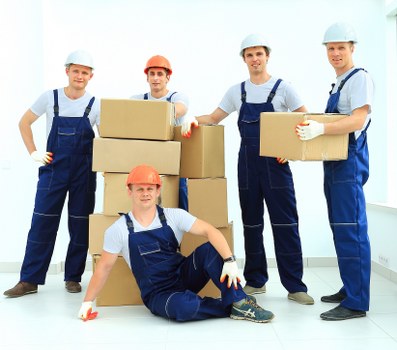 Wandsworth Movers is committed to maintaining a safe, responsible, and well-managed working environment for employees, clients, contractors, and members of the public. This health and safety policy sets out the standards and practices that guide our daily operations, from planning and packing to lifting, loading, transport, and delivery. We recognise that moving work involves physical tasks, changing environments, and time-sensitive coordination, so our approach is designed to reduce risk, prevent injury, and support consistent safe working practices.
Our policy applies to every stage of a move. Whether the task involves household furniture, office equipment, fragile items, or bulky goods, we expect all team members to work with care and to follow safe procedures. The aim is to build a culture where safety is not treated as an extra step, but as a core part of how Wandsworth Movers operates. Everyone has a role to play in identifying hazards, reporting concerns, and acting responsibly.
We also understand that no two moves are the same. Access points, stairways, parking arrangements, weather conditions, and item weights can all affect safety. For that reason, our moving teams use practical judgement, structured preparation, and effective communication to manage risk. Careful planning helps us protect people and property while delivering a reliable moving service.
 Management responsibility is central to this policy. Supervisors and senior staff are responsible for ensuring that operations are carried out safely, that suitable equipment is available, and that team members receive clear instructions. Risk assessments are completed where appropriate, and any significant hazards are reviewed before work begins. If conditions change during a job, the plan is reassessed so that work can continue safely.
All workers are expected to take reasonable care of their own safety and the safety of others. This includes using correct lifting techniques, wearing suitable footwear, keeping work areas clear, and avoiding rushed or unsafe behaviour. Staff must not attempt tasks beyond their physical capability or operate equipment unless trained and authorised. A strong safety culture depends on shared responsibility and consistent attention to detail.
 We provide guidance on safe manual handling, vehicle loading, and the use of moving equipment such as dollies, straps, blankets, and trolleys. Items are assessed for weight, shape, fragility, and stability before being moved. Where needed, team members work in pairs or larger groups to maintain control and reduce strain. Good communication is essential when lifting, turning, carrying, or placing items into vehicles and buildings.
Equipment and vehicles are checked regularly to help ensure they remain safe and suitable for use. Any damaged or faulty item is taken out of service until it has been inspected and repaired. Loading practices are designed to prevent items from shifting during transit and to reduce the risk of damage when unloading. We aim to keep workspaces tidy, with clear walkways and secure storage of tools and packing materials.
Our team also considers the safety of clients and third parties. During moves, we ask that access routes remain clear and that children, pets, and visitors are kept away from active working areas where possible. If a property presents hazards such as uneven floors, low lighting, loose carpeting, or restricted access, staff will take extra precautions. In some cases, a task may be paused until the environment is made safer.
Personal protective equipment may be used where necessary, depending on the nature of the task. This can include gloves, high-grip footwear, and other suitable items that improve safety and control. Team members are expected to use protective equipment correctly and to maintain it in good condition. Safety clothing and equipment are selected to support practical work without limiting mobility or awareness.
Training is an important part of our approach. New staff receive instruction on safe lifting methods, hazard awareness, and proper handling techniques, while experienced staff are kept informed about best practice and updated procedures. Training is reinforced through supervision and routine checks so that safe habits remain consistent across different jobs and working conditions. We believe that well-trained staff are better able to manage risk and protect valuable property.
We also encourage early reporting of incidents, near misses, and unsafe conditions. Prompt reporting helps us identify patterns, improve procedures, and prevent recurrence. Where an accident or injury occurs, it is reviewed carefully so that lessons can be learned. This process is focused on improvement rather than blame, allowing Wandsworth Movers to strengthen its standards over time.
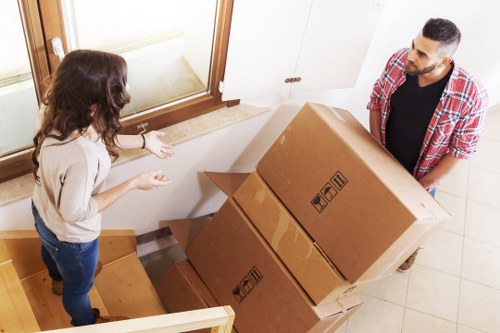 Weather, traffic, and environmental conditions can affect operational safety, especially during loading and unloading. In wet or icy conditions, additional caution is used to reduce slipping hazards. In hot weather, staff are encouraged to stay hydrated and manage exertion sensibly. If a route or access point becomes unsafe, the team will adapt the approach or delay the task where necessary.
 The policy is reviewed regularly to ensure it remains effective, practical, and suited to the services we provide. Updates may be made in response to changes in operations, equipment, or safety expectations. At all times, our commitment is to provide a safe moving service, protect people and property, and maintain the professional standards expected of Wandsworth Movers. Safety is not only a requirement; it is part of our identity and the way we work every day.