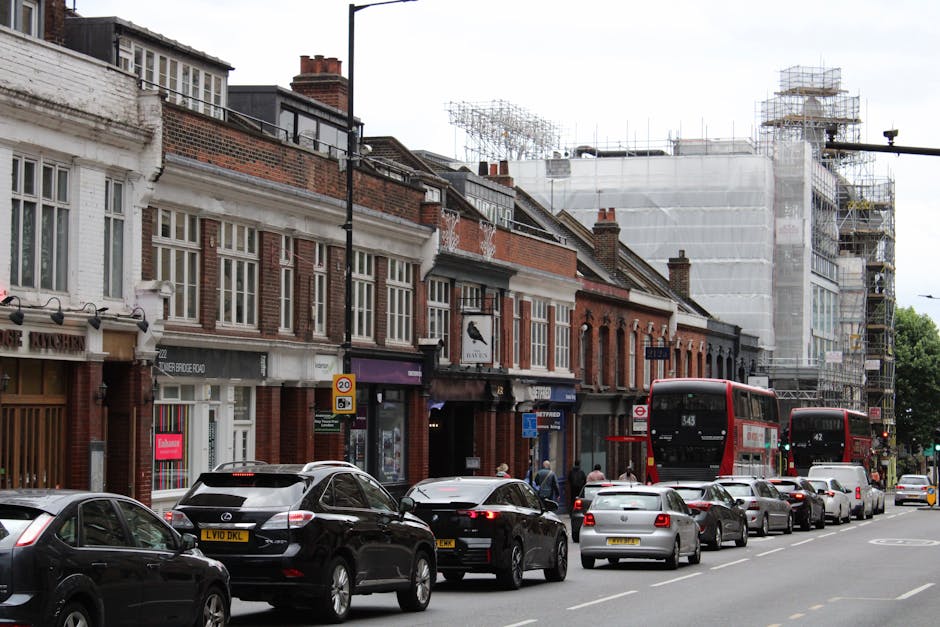
Old York Road removals tips for flats above shops
If you are moving out of a flat above a shop on Old York Road, the job can look simple on paper and feel messy the moment the first box reaches the stairs. Narrow entrances, shared access, awkward parking, busy pavement traffic, and the everyday reality of living above a trading business all shape how the move plays out. The good news? With the right plan, Old York Road removals tips for flats above shops can turn a stressful day into a controlled one. This guide walks you through access planning, packing, timing, safety, parking, and the practical choices that matter most when you are moving in this kind of property.
Whether you are doing a small studio move, shifting a family flat, or clearing a place for new tenants, the details matter. A little preparation goes a long way, and to be fair, that is especially true when a removals team has to work around shop hours, stairwells, loading restrictions, and neighbours who are just trying to get on with their day.
Table of Contents
- Why Old York Road removals tips for flats above shops Matters
- How Old York Road removals tips for flats above shops Works
- Key Benefits and Practical Advantages
- Who This Is For and When It Makes Sense
- Step-by-Step Guidance
- Expert Tips for Better Results
- Common Mistakes to Avoid
- Tools, Resources and Recommendations
- Law, Compliance, Standards, or Best Practice
- Options, Methods, or Comparison Table
- Case Study or Real-World Example
- Practical Checklist
- Conclusion
- Frequently Asked Questions
Why Old York Road removals tips for flats above shops Matters
Old York Road has a very particular feel: active frontage, mixed-use buildings, busy streets, and a constant flow of people. That makes moving out of flats above shops more complex than a standard residential move. You are not just moving furniture down a corridor; you are coordinating with a building that may have limited access, shared staircases, and a shop below that still needs to operate.
That matters for three big reasons. First, access can slow everything down if it has not been checked in advance. Second, the risk of damage rises when items are carried through tight internal spaces or over public pathways. Third, there is the human side of it. A move can annoy shop staff, customers, delivery drivers, neighbours, and building managers if it is not properly planned. No one wants a sofa wedged awkwardly halfway up the stairs at 8:30 in the morning while people are queuing for coffee downstairs.
Good planning reduces all of that. It also helps you choose the right service level, from a basic man with van option for lighter loads to a full flat removals service when the move needs more hands, more lifting equipment, and tighter coordination. If there are bulky items involved, a specialist furniture removals approach can be a much better fit than trying to do everything yourself.
How Old York Road removals tips for flats above shops Works
A successful move from a flat above a shop usually follows a pattern. You assess the access, plan the timing, reduce the load, protect the building, and keep the route as clear as possible. That sounds basic, but each part saves time on the day.
In practice, the move often starts before the van arrives. You will need to know how furniture exits the property, whether there is a lift or only stairs, where the vehicle can wait, and whether the shop below has any specific loading concerns. If the stairwell is narrow, a wardrobe that looked easy in the bedroom may suddenly feel like a very different beast once you reach the turn in the staircase. Happens all the time.
For some moves, a smaller vehicle is better because it is easier to position near the property and often less disruptive. In other situations, the load is larger and a larger moving truck or a booked removal van is the cleaner solution. The real trick is matching the vehicle and crew size to the building, not just to the amount of stuff you own.
Many flats above shops also benefit from professional packing support. Quality boxes, tape, wraps, and a sensible label system can make a huge difference, especially when items need to be carried down several flights and loaded quickly. If you want to reduce breakages and confusion, a focused packing and boxes approach is often one of the smartest parts of the whole move.
Key Benefits and Practical Advantages
Using a proper plan for a flat-above-shop move is not just about avoiding problems. It brings real, practical advantages on the day and in the days before.
- Less time wasted: the team spends less time guessing where to park, which route to use, or how to get a sofa through the door.
- Lower risk of damage: walls, bannisters, shopfronts, and furniture are less likely to get knocked or scraped.
- Less stress for everyone: you, the removals crew, neighbours, and shop staff all have a clearer idea of what will happen.
- Better use of labour: the right team size and packing method means fewer awkward lifts and fewer delays.
- Smoother timing: you can often work around quieter hours and reduce pressure on the building.
There is also a useful commercial angle. A well-run move is usually cheaper in the long run because there is less risk of damage, less waiting around, and fewer last-minute changes. If you want to compare options early, checking pricing and quotes ahead of time can help you decide whether you need a simple man-and-van arrangement or something more structured.
And yes, the quieter kind of move is often the better move. Nobody gets bonus points for drama.
Who This Is For and When It Makes Sense
This guidance is most useful if you are moving from, or into, a flat above a retail unit, cafe, salon, takeaway, office, or other mixed-use property along Old York Road. It is particularly relevant if any of the following apply:
- you live on an upper floor with no lift
- the stairwell is narrow or shared
- parking is tight or formal loading space is limited
- you have large furniture, white goods, or fragile items
- the shop below has opening hours that affect access
- you need to be out by a fixed deadline
- you are moving alone and need help with heavy lifting
It also makes sense if you are a landlord or letting agent arranging a tenant changeover. In those situations, timing matters even more because you may need a swift handover and minimal disruption. A compact crew from a removals provider or a flexible man and van setup can be the right fit depending on the volume and urgency.
Student renters moving out of a flat above shops often have a slightly different pattern again: fewer items, more bags and boxes, a tighter budget, and less advance planning. For that kind of move, student removals can be a practical option, especially if the move is small but time-sensitive.
Step-by-Step Guidance
Here is the cleanest way to handle a move from a flat above a shop on Old York Road, step by step. If you follow this order, the day tends to feel much more manageable.
- Survey the access properly. Measure doorways, stair turns, and any tight corners. Check whether the route from the flat to the street is clear enough for larger items. If possible, walk the route with the removals team before move day.
- Check parking and loading options. Work out where the vehicle can stop without blocking customers or deliveries. On a busy street, a few extra metres can make a big difference.
- Tell the shop below and neighbours. A polite heads-up can avoid awkwardness later. They may be able to suggest the quietest time of day, or warn you about deliveries that would clash with your schedule.
- Sort and reduce before packing. The less you move, the easier the job becomes. Old books, broken furniture, duplicate kitchen items, and random cables all add weight and hassle. Be honest with yourself here.
- Pack by room and priority. Label boxes clearly and keep essentials separate. The box you need first should not be buried under winter coats and a slow cooker.
- Protect fragile and awkward items. Mirror, glass table, TV, and lamp bases need extra care. Use proper wrapping and keep these items upright wherever possible.
- Book the right help. If your property has narrow stairs or heavy items, do not underbook the team. A smaller crew may look cheaper, but if the move drags, that saving evaporates pretty quickly.
- Keep a clear exit path on the day. Hallways, front steps, and landings should be free of clutter. Put shoes, plant pots, bikes, and random storage items out of the way the night before.
- Do a final sweep of the property. Check cupboards, window ledges, loft access, and bathroom shelves. The number of times people leave behind a charger or a set of keys is honestly a bit funny. Until it happens to you.
- Confirm arrival and handover details. Make sure keys, inventory notes, and any building access arrangements are ready for the next stage of the day.
If the move includes more household items than you expected, or if you are moving between flats and need help with packing as well, consider a combined service such as packing and unpacking services. That can save a surprising amount of energy when you are already juggling access, timings, and the general chaos of moving day.
Expert Tips for Better Results
In our experience, the best flat-above-shop moves are the ones where the small details are handled early. Nothing glamorous. Just sensible, slightly boring preparation that pays off later.
Tip 1: move the awkward items first. Sofas, wardrobes, bed frames, and appliances usually create the most pressure in a narrow stairwell. Deal with them early in the day, when everyone still has energy and patience.
Tip 2: use colour-coded labels. It sounds almost too simple, but coloured tape on boxes can help a crew place items into the right rooms much faster. Blue for kitchen, green for bedroom, red for fragile, that sort of thing.
Tip 3: keep one small "do not pack" zone. Put passports, chargers, medication, documents, snacks, and kettle essentials together. You will thank yourself later, probably around 7 p.m. when you are tired and your tea tastes better than any luxury item.
Tip 4: ask about insurance and handling practices. A reliable removals team should be able to explain how they protect both the property and the items being moved. It is worth checking insurance and safety details before you commit, especially where stairs and shared access raise the risk of bumps and scrapes.
Tip 5: think in time blocks, not just dates. Some moves work best in the morning, others after the main rush on the street has eased. If the shop below is busiest before lunch, an afternoon start may be calmer. If the building gets noisy later, an early slot might be wiser. It is a balancing act, really.
Tip 6: use a smaller, more agile team when access is tight. A lighter vehicle or a more flexible crew can sometimes beat a larger operation that has to keep repositioning. The right fit matters more than the biggest van on the road.
Tip 7: plan for storage if the dates do not line up. If there is a gap between leaving your flat and getting the keys to the next place, short-term storage can take the pressure off. That is often much less stressful than trying to squeeze everything into a borrowed spare room.
Common Mistakes to Avoid
Most moving headaches from flats above shops come from a handful of avoidable mistakes. You do not need perfection, just a decent grip on the obvious traps.
- Assuming access will be easy. It rarely is. Even when the flat looks simple from outside, the route through the building can be awkward.
- Booking the wrong vehicle size. Too large and you may struggle with parking; too small and you create extra trips.
- Leaving packing too late. That usually leads to poor labelling, weak boxes, and rushed decisions.
- Ignoring the shop below. If your move clashes with deliveries or trading hours, it can create tension that is easy to avoid.
- Underestimating bulky furniture. A mattress is one thing. A solid oak wardrobe on a narrow staircase is another.
- Not checking building rules. Some properties have access expectations, entry codes, or shared hallway etiquette that you should know before move day.
- Trying to do everything yourself. It feels economical until your back starts complaining and the sofa is stuck. That one is universal.
One extra point that people miss: don't forget rubbish and leftover bits. Empty boxes, old shelving, broken chairs, and the bin bags that have somehow multiplied overnight all need a plan too. If you need help clearing unwanted items, furniture pick up can be useful for getting bulky pieces out of the way before or after the move.
Tools, Resources and Recommendations
You do not need a huge toolkit for a successful move, but a few practical items make a real difference.
- strong moving boxes in mixed sizes
- packing tape and a dispenser
- permanent markers for room labels
- bubble wrap or paper for breakables
- blankets or furniture covers for larger items
- stretch wrap for drawers and mattress protection
- basic toolkit for dismantling beds or shelving
- door stops to keep access routes open
- zip bags for screws and fittings
If you are doing a bigger domestic move, professional packing and boxes support can save time and improve consistency. For larger home transitions, a full home moves service may be a more sensible choice than piecing things together yourself.
And if your move is part of a broader relocation, perhaps a family flat becoming a house, or a rented flat shifting into a larger place, the distinction between house removals and flat work matters because the access needs are not the same. The property type drives the plan.
Law, Compliance, Standards, or Best Practice
For moves like this, it is best to think in terms of accepted UK moving practice rather than trying to overcomplicate the legal side. There is no single universal rulebook for a flat above shops move, but a few principles are widely expected.
First, access to the building and the street should be managed safely and respectfully. That means avoiding blocked pavements where possible, keeping routes clear, and not creating unnecessary hazards for pedestrians. Second, lifting should be done in a way that reflects standard manual handling good practice. In plain English: do not rush heavy lifts, especially on stairs, and use enough people for the job. Third, property protection matters. Hallways, doors, bannisters, and shopfront edges are common damage points, so padding and careful route planning are sensible best practice.
If you are hiring help, it is reasonable to ask how they handle safety, claims, and security. A professional company should be able to explain the basics clearly and without fuss. You can also review health and safety policy information before booking, which is a useful trust signal when you are inviting people into a building with shared access and busy frontage.
For customers comparing providers, clarity around terms, payment, and the booking process is also part of best practice. That is especially true if your move date is fixed or you are working to a tight handover schedule. It is not glamorous, but it is what keeps the day calm.
Options, Methods, or Comparison Table
Not every flat-above-shop move needs the same setup. Some are small enough for a light load and a couple of experienced movers. Others need more structure. Here is a simple comparison to help you think it through.
| Approach | Best for | Pros | Watch-outs |
|---|---|---|---|
| Man and van | Small flats, fewer items, short local moves | Flexible, often quicker to book, suitable for lighter loads | Can be limited for heavy furniture or complex access |
| Flat removals team | Typical flat moves with stairs, furniture, and multiple boxes | Better handling, more efficient loading, more suitable for awkward access | Usually needs a little more planning in advance |
| Full removals service | Larger flats, family moves, or properties with lots of belongings | More support, less heavy lifting for you, better for time pressure | May be more than you need for a very small move |
| Storage plus move | Moves with date gaps or staged relocations | Reduces pressure, helps if completion dates do not line up | Requires additional coordination |
In practical terms, the right choice depends on volume, access, and urgency. If the flat is small and the load light, a man with a van arrangement may be enough. If the furniture is bulky or the stairwell is tight, a more complete service is usually worth it. Sometimes the cheapest option is not the cheapest option. Annoying, but true.
Case Study or Real-World Example
Imagine a one-bedroom flat above a small shop on Old York Road. The resident has a bed frame, two wardrobes, a sofa, a dining table, five large boxes of books, and the usual collection of kitchen bits that somehow occupy three times the space they should.
At first glance, it looks like a straightforward half-day move. But the entrance is narrow, the staircase turns sharply at the first landing, and the shop below opens early. There is no dedicated loading bay right outside, so the van needs careful positioning. On top of that, the resident has left packing until the last few days, which means the boxes are mixed and not all labelled.
Here is how the move becomes smoother:
- the largest furniture is dismantled the night before
- fragile items are wrapped separately and marked clearly
- the removals team arrives after the shop's busiest opening period
- parking is checked in advance, reducing circling time
- one person keeps the hallway and front step clear while the loading happens
- a few small items are taken to storage because the new place is not ready yet
The result is not magical. It is just organised. The move still takes effort, but it does not turn into a scramble. That is usually the difference between a day you can manage and a day you want to forget by tea time.
Practical Checklist
Use this checklist in the final 48 hours before the move. Print it, save it, scribble on it. Whatever works.
- measure doorways, stair turns, and any tight access points
- confirm vehicle access and parking plan
- tell the shop below and neighbours about moving day
- book the right team size for the load
- finish dismantling furniture that will not fit through the staircase
- label every box by room and priority
- protect mirrors, screens, and glass items carefully
- set aside essentials you will need on the first night
- clear hallways, landings, and front steps
- check keys, meters, and final cupboard spaces before leaving
- arrange same day removals only if you truly need urgent timing
- review the booking terms and payment details so there are no surprises
Expert summary: the safest and least stressful move from a flat above a shop is the one built around access, timing, and preparation. Get those three right and most of the job starts to behave itself.
Conclusion
Moving from a flat above a shop on Old York Road is all about respect for the space, the people below, and the practical realities of the building. Tight staircases, shared access, busy street life, and limited loading options do not have to derail the day, but they do need planning. If you prepare early, pack properly, choose the right vehicle and crew, and keep communication simple and clear, the whole move becomes far easier to handle.
The best Old York Road removals tips for flats above shops are not flashy. They are the small, reliable habits that reduce friction: measuring first, packing well, booking the right help, and giving yourself enough breathing room. That is the sort of move that ends with a key handover, an empty flat, and a proper exhale at the end. A nice moment, really.
Get a free quote today and see how much you can save.
Frequently Asked Questions
What makes flats above shops harder to move from?
The biggest issues are usually access, stairs, parking, and the need to work around the business below. Narrow stairwells and shared entrances can slow the move down if they are not planned properly.
Should I book a man and van or a full removals service?
It depends on the volume and the access. Small, light moves may suit a man and van setup, while larger or more awkward moves are usually better handled by a fuller removals team.
How far in advance should I plan a flat-above-shop move?
As early as you can. Even a few days of proper planning helps with access checks, packing, parking, and timing. If the move is large or the building is complicated, earlier is better.
What should I tell the shop below before moving day?
Give them the date, expected timing, and whether the van may need to stop near the frontage. A quick heads-up can prevent awkward clashes with deliveries or busy trading periods.
Can removals teams carry items down narrow stairs safely?
Yes, if the team is experienced and the furniture is properly prepared. Some items may need dismantling, extra wrapping, or a different lifting route to keep things safe.
Is storage useful for this kind of move?
Very often, yes. If your dates do not line up neatly, or if you are moving in stages, storage can take away a lot of pressure.
What items are most likely to cause problems?
Large wardrobes, sofas, mattresses, glass tables, appliances, and anything oddly shaped are the usual troublemakers. They are manageable, but they need planning.
Do I need to dismantle furniture before the movers arrive?
It helps, especially if the stairwell is tight. Beds, some wardrobes, and shelving are often easier to move once broken down into smaller parts.
How can I avoid damaging the hallway or shopfront?
Use protective covers where needed, keep the route clear, and make sure the team understands the tight points before they start carrying items out. Prevention is far better than repair.
What if I only have a few items and need to move quickly?
For very small or urgent jobs, a lighter service can work well, and same day removals may be worth considering if the timing is genuinely tight.
Are packing services worth it for a flat above a shop?
They often are, because the packing quality directly affects speed, safety, and breakage risk. If you have fragile items or a lot of boxes, professional support can save a lot of energy.
What should I check before confirming a removals company?
Look at their safety approach, insurance details, payment terms, and whether the service matches your property type. For a mixed-use building, that extra bit of care matters.
How do I make the move less stressful on the day?
Keep the route clear, arrive with essentials packed separately, confirm timings, and avoid leaving everything until the last minute. A calm morning often starts the night before.