Wandsworth Common movers guide for narrow streets
Posted on 27/07/2026
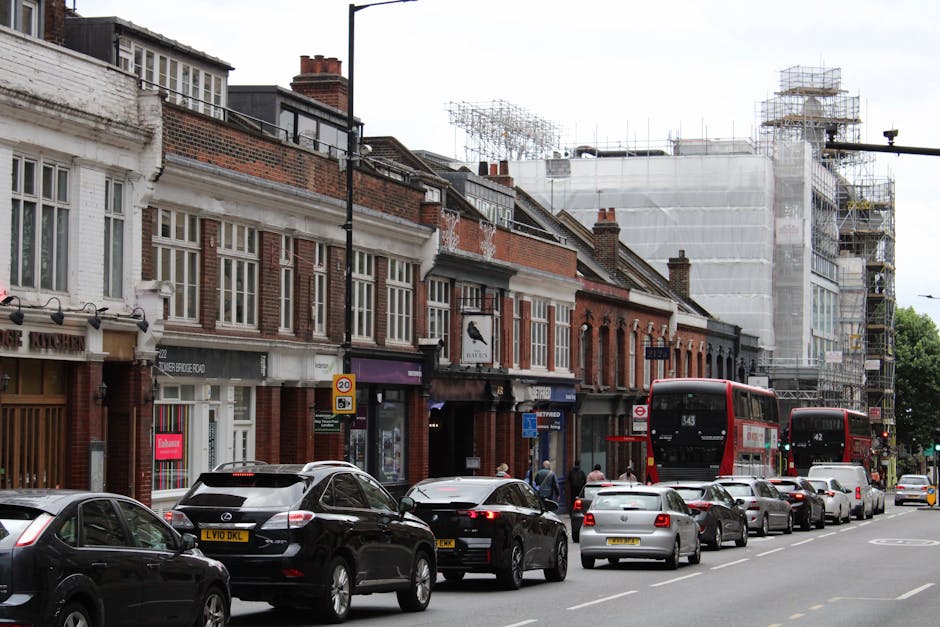
Wandsworth Common Movers Guide for Narrow Streets
Moving around Wandsworth Common sounds straightforward until you meet the streets themselves. A handsome terrace, a tight turning circle, a parked car where you needed space, and suddenly a simple house move turns into a slow, careful puzzle. This Wandsworth Common movers guide for narrow streets is here to help you plan the move properly, avoid the usual headaches, and keep the day calm enough that you can actually think straight. Because let's face it: nobody wants a removal van blocking half the road at 8:15 on a Tuesday.
Whether you are moving out of a flat, a family house, or a small office setup, narrow roads change the whole rhythm of the job. In this guide, you will learn how movers approach restricted access, what to check before the van arrives, how to reduce wasted time, and which service options make the most sense depending on your property and furniture. If you want a broader view of what is available locally, the services overview and removals in Wandsworth pages are useful starting points too.
- Why narrow streets matter in Wandsworth Common
- How a narrow-street move usually works
- Key benefits and practical advantages
- Who this guide is for
- Step-by-step moving plan
- Expert tips for better results
- Common mistakes to avoid
- Tools, resources and recommendations
- Law, compliance and best practice
- Options and comparison table
- Case study or real-world example
- Practical checklist
- Conclusion
- Frequently asked questions
Why Wandsworth Common movers guide for narrow streets Matters
Narrow streets are not just a minor inconvenience. They affect parking, loading, timing, access, and the physical safety of your belongings. If your property sits on a road where two cars already make things awkward, a removal van can quickly become the biggest object on the street. That matters because moving is usually time-sensitive and, in many cases, tied to lift bookings, key handovers, or access windows you cannot control for long.
In the Wandsworth Common area, the practical issue is often less about distance and more about how the van and the property connect. Can the vehicle stop close enough to carry items without repeated long walks? Can furniture be turned through the hallway without scuffing the walls? Is there a safe place to pause without blocking neighbours or traffic? These are the questions that shape the whole move.
Narrow streets also make poor planning more expensive. A crew that has to double-handle everything, park too far away, or keep stopping because a side road is blocked will naturally take longer. That does not mean the move is doomed. It just means the planning has to be sharper than usual. For many homes, especially flats, the right service choice matters too. A smaller vehicle or a more flexible crew may suit you better than a large truck if access is tight. If you are weighing service style, take a look at flat removals in Wandsworth and man with van Wandsworth to see how different approaches fit different move sizes.
The main idea is simple: on narrow streets, planning is part of the moving service, not an extra.
How Wandsworth Common movers guide for narrow streets Works
A good narrow-street move is built around access planning. That starts before moving day, usually during the quote stage, when the mover asks about your property type, road width, parking, floor level, stairs, and furniture size. This is not admin for the sake of it. It determines whether the team can park near the property, how many people are needed, and whether a smaller vehicle or shuttle-style loading will make more sense.
On the day itself, the team typically arrives with a plan for the route, the loading point, and the order in which items should come out. If the road is too narrow for prolonged stopping, the crew may unload in shorter bursts or use more compact trolleys and carrying methods. Sometimes the van parks a little further away than ideal, which is fine if it has been planned for. Problems happen when the crew discovers it only after the sofa is already halfway through the hallway. Nobody enjoys that moment.
For this reason, the best movers will ask practical, sometimes slightly annoying-sounding questions. Is there a bay outside? Is there a dropped kerb? Are there school drop-off times, local traffic pinch points, or regular bin lorry timing to avoid? It feels very detailed, but that detail saves time later. If you need support with packing before the move, the packing and boxes Wandsworth page is a handy reference for making the load easier to handle in tight access conditions.
Usually, the process looks like this:
- Review the property layout and street access.
- Choose a vehicle size that can reasonably approach the road.
- Reserve enough team members for carrying and protection.
- Prepare furniture and boxes so they move in fewer, safer trips.
- Load in a sequence that reduces backtracking and blockages.
It sounds neat when laid out like that. Real life is messier, obviously, but the structure still holds.
Key Benefits and Practical Advantages
When narrow streets are handled properly, the benefits are not subtle. You feel them in the time saved, the reduced stress, and the fact that your belongings arrive without a battle scar or two. The biggest advantage is simply control. Instead of reacting to access problems, you have already planned around them.
- Less waiting time: Parking and loading plans reduce the chance of delays.
- Better protection for furniture: Fewer awkward turns and fewer unnecessary carries mean less risk of damage.
- Smoother neighbour relations: A tidy loading plan keeps the street usable and avoids irritation.
- Clearer pricing: When access is explained early, quotes tend to reflect the real job rather than a guess.
- Safer handling: Tight stairwells and narrow pavements need a calmer, more disciplined approach.
There is also a less obvious benefit: better decision-making. Once you understand access constraints, you can decide whether you need a full house team, a small van, extra packing support, or storage for part of the load. That can save more than a few pounds. It can save an entire afternoon of stress.
If cost is part of your decision, you may also want to compare the competitive prices and pricing and quotes pages before you book. Narrow streets often change the shape of a quote, so it pays to be precise.
Who This Is For and When It Makes Sense
This guide is for anyone moving in or around Wandsworth Common where access is not generous. That includes top-floor flats on narrow roads, terraced houses with little front space, student moves with limited furniture, and even offices shifting between small premises with awkward loading points. If your van will not simply pull up beside the door, you are in the right place.
It also makes sense if you are trying to decide between service styles. For a lighter move, a smaller vehicle and flexible labour may be enough. For a fuller household move, you may need a more structured team with protection materials, time planning, and possible storage support. Truth be told, the wrong setup is where people get into trouble. They book based on price alone, then discover the vehicle cannot get near the entrance. Not ideal.
Here are the types of moves that especially benefit from this approach:
- Flat moves with restricted kerb space
- House moves on quieter residential streets
- Student removals with fast turnaround and light access
- Office relocations with equipment that cannot be dragged across long distances
- Furniture-only jobs involving heavy or bulky items
For smaller or faster jobs, the man and van Wandsworth and man with a van Wandsworth options can be sensible. If you need something broader, the house removals Wandsworth page is a more natural fit.
Step-by-Step Guidance
Moving day goes more smoothly when the steps are boring in the best possible way. Predictable. Calm. No drama with a wardrobe in the road at 9:00 a.m. The following process is simple, but it works.
1. Measure the access, not just the rooms
People often measure the sofa and forget the street. You need both. Check doorway widths, stair turns, hall corners, and whether the van can stop close enough to make the lift practical. If you have a long chest of drawers or a bed base that only just fits through the hall, say so early.
2. Photograph the tricky spots
A few quick photos help more than a long explanation. Take one of the street outside your property, one of the entrance, and one of any narrow staircase or awkward landing. If you are in a flat, include the lift if there is one. A good mover can often spot risks immediately from a few images.
3. Book the right vehicle size
Do not assume bigger is better. On narrow streets, a smaller or medium-sized vehicle can sometimes be more efficient because it reaches the property more easily. A vehicle that fits the job and the road is usually better than a giant van that spends the day fighting for space.
4. Prepare furniture for quicker handling
Remove loose shelves, drain furniture where possible, bag screws, and tape labels to dismantled parts. Wrap corners and fragile surfaces. It sounds obvious. It still gets skipped all the time.
5. Clear the loading path
Inside the property, the route from room to door should be as open as possible. Shoes, mats, children's toys, bin bags, laundry baskets - all of it gets in the way. A clear path is not glamorous, but it makes a noticeable difference.
6. Decide where items will go before the crew arrives
One of the easiest ways to lose time is to debate furniture placement on the doorstep. Label rooms clearly. Keep essentials separate. Tell the team what needs extra care. If you have any storage needs, it may be worth looking at storage options as part of the plan, though only if that exact arrangement suits your move.
7. Keep one person available to answer questions
A moving team can work much faster if one person is making the small decisions. Where does the mirror go? Which box is fragile? Can the lamp go in the van last? It is not a big deal, but it stops confusion from spreading.
Expert Tips for Better Results
After enough moves, the same few lessons come up again and again. Some are tiny. Some are the difference between a neat move and a difficult one. Here are the ones that matter most.
- Book with access in mind, not just item count. A two-bedroom flat on a narrow street can be harder than a larger house with easier parking.
- Use colour labels or room labels. They reduce back-and-forth and make unloading easier in tight hallways.
- Tell the mover about heavy or awkward items early. Pianos, antique cabinets, American-style fridges, and oversized mirrors all change the plan.
- Check for event days, roadworks, and school timings. Even a small delay can matter when the road is narrow.
- Have spare bags, tape, and blankets ready. You will be glad you did. Always.
One small but useful habit: walk the route from your front door to the road the evening before. You will notice things you missed earlier, like a hedge overhanging the path or a neighbour's car that tends to sit exactly where you need the van. Strange how these things appear at the worst possible moment.
If you are moving specialised items, the relevant service pages can help you judge the right approach, such as furniture removals Wandsworth or piano removals Wandsworth. Heavy or delicate pieces deserve their own plan, not a hopeful shrug.
![A narrow residential street paved with grey stone slabs, bordered by high brick walls on both sides, with some brickwork showing signs of age and weathering. A black street lamp with a decorative top stands on the right side near the middle of the image, and a green wheelie bin is positioned against the left wall. In the background, a large tree with yellow and orange autumn leaves overhangs the pathway, partially obscuring a white building at the end of the alley. The scene is lit by natural daylight, highlighting the textures of the brickwork and the vibrant foliage. This setting depicts a typical urban passageway suitable for house removals or furniture transport, with the street's confined space presenting logistical considerations during a home relocation, which [COMPANY_NAME], such as Wandsworth Movers, may assist with for moves within Wandsworth or similar areas. The context suggests a peaceful neighborhood ready for a moving or packing process.](/pub/blogphoto/wandsworth-common-movers-guide-for-narrow-streets2.jpg)
Common Mistakes to Avoid
Most access problems are predictable. That is the frustrating bit. The same few mistakes keep happening, and then everyone spends the morning dealing with them. Avoiding them is not difficult, but it does take a bit of honesty at the planning stage.
- Assuming a large van will be fine. Sometimes it will not even be able to stop safely.
- Leaving parking arrangements until moving day. Too late. By then, you are working around traffic and frustration.
- Overfilling boxes. In narrow hallways, awkward heavy boxes are harder to manoeuvre and more likely to get dropped.
- Ignoring staircase turns. A sofa that fits in theory can still get stuck at the landing.
- Not warning about fragile or valuable items. Movers are careful, but they are not mind readers.
- Forgetting about neighbour access. If the road is shared or space is tight, a little courtesy goes a long way.
There is also a common budgeting mistake: comparing quotes without checking what the quote assumes. One mover may price for easy roadside access, while another includes extra handling because the street is tighter. That is where the removal companies Wandsworth page can help you think through what a proper quote should actually cover.
And yes, sometimes the most sensible move is to slow down. Rushing a narrow-street job is how walls get scraped and tempers get shorter. Nobody needs that energy.
Tools, Resources and Recommendations
You do not need a truck full of fancy equipment to make a move easier. A few practical tools, plus the right service choices, usually do the job. The aim is to reduce carrying time, protect items, and keep the load manageable in awkward access conditions.
| Tool or resource | Why it helps on narrow streets | Best used for |
|---|---|---|
| Furniture blankets | Protects walls, doorframes, and furniture edges during tight turns | Large items and fragile finishes |
| Labels and colour stickers | Speeds up unloading and reduces confusion | All household moves |
| Stacking trolley | Reduces repeated carrying on longer walks from van to door | Boxes, office items, books |
| Wardrobe boxes | Helps keep clothes upright and makes loading simpler | Bedrooms and flat moves |
| Route photos | Lets the mover assess access before arrival | Any move with tight parking |
For many residents, the strongest recommendation is not a product, but a service combination. If access is tight and the load is moderate, a smaller vehicle with careful handling may be best. If the move is bigger, a team that can manage packing, loading, and storage in one flow is often easier. You can review the broader options in removal services Wandsworth and decide what actually fits your day.
If you need same-day flexibility because timing has changed, the same day removals Wandsworth page is worth a look. Not every move can wait politely for next week.
Law, Compliance, Standards, or Best Practice
For narrow-street moves, the main compliance concerns are practical rather than dramatic. The mover should work safely, avoid unsafe parking or loading, protect goods properly, and respect local access conditions. In the UK, that usually means following sensible health and safety practices, handling items with care, and avoiding actions that create unnecessary risk for people, property, or traffic.
Best practice usually includes:
- Using suitable manual handling methods for heavy or awkward items
- Planning routes to minimise risk of collisions or damage
- Keeping walkways and access points clear where possible
- Using appropriate packing and protective materials
- Being transparent about the service scope and any access limitations
Insurance matters too. If the street is tight, the chance of accidental scuffs or minor contact rises. That does not mean something will go wrong, but it does mean insurance and careful handling should be part of the conversation. The insurance and safety and health and safety policy pages are helpful if you want to understand how a mover approaches risk in ordinary, real-world terms.
There are also commercial basics that should be clear before the move starts: how payment works, what is included, what happens if access is worse than described, and how complaints are handled if something needs attention. Nobody likes that part, but it is better to know upfront. The pages on payment and security, terms and conditions, and complaints procedure exist for a reason.
Options, Methods, or Comparison Table
Different move types suit different access conditions. Narrow streets are where the differences really show.
| Option | Best for | Strengths | Watch-outs |
|---|---|---|---|
| Man and van | Small flats, light loads, quick moves | Flexible, compact, good for difficult parking | May not suit larger furniture volumes |
| Full house removal | Family homes, multi-room moves | More structured, more hands, better for volume | Needs clearer access planning and timing |
| Furniture-only service | Single heavy items or bulky pieces | Focused handling, useful for narrow hallways | May still need careful route checking |
| Storage-assisted move | Staged moves or delayed completion dates | Reduces pressure on moving day | Needs extra planning and cost consideration |
In many cases, the best option is the one that matches the street rather than the one that sounds biggest. A smaller vehicle with a tidy process can be more efficient than a larger setup trying to bully its way through a narrow road. Not exactly glamorous, but it works.
If you are still comparing service styles, the pages for man with van Wandsworth and man and a van Wandsworth give a useful sense of how compact moves are typically handled.
Case Study or Real-World Example
Picture a move from a first-floor flat near Wandsworth Common on a street where parking is tight and the pavement is often half full. The client has a sofa, a dining table, two beds, a fridge freezer, and a healthy number of boxes that seemed smaller when packed in the evening light. Classic.
The first step was not loading the van. It was checking how close the vehicle could sensibly park and which items would need dismantling to avoid awkward turns in the hallway. The mover suggested that the bed frames and table be taken apart in advance, and that the heaviest boxes be split so no single box became a tiny brick. The client also sent street photos the day before, which showed a parked van bay and a narrower section near the entrance.
On moving day, the team used a smaller vehicle positioning plan and loaded in a sequence that prioritised larger items first, then boxes grouped by room. The result was not magic. It was just calm, competent work. Fewer trips, less carrying distance, and no frantic attempt to squeeze a sofa around a corner that clearly did not want to cooperate.
What made the difference was the planning. Not a huge dramatic change. Just good access information, realistic timing, and a mover who understood that narrow streets need a different rhythm. In our experience, that is often the whole game.
Practical Checklist
Use this checklist a few days before the move. If you are short on time, even a half-complete checklist is better than none at all.
- Measure doorways, stair turns, and any awkward hall corners
- Take photos of the street, entrance, and parking situation
- Confirm whether the van can stop safely near the property
- Tell the mover about large, fragile, or unusually heavy items
- Ask whether a smaller vehicle would suit the road better
- Label boxes by room and mark fragile items clearly
- Dismantle furniture where practical
- Keep hallways and the front path clear
- Check timing issues such as school runs, bin collections, or roadworks
- Confirm payment, insurance, and what is included in the quote
Quick expert summary: On narrow streets, the most successful moves are usually the ones that look slightly over-prepared from the outside. That is a good thing. A bit of planning feels tedious right up until it saves you an hour.
Get a free quote today and see how much you can save.
Conclusion
Narrow streets around Wandsworth Common do not have to make your move difficult, but they do demand a more thoughtful approach. The best results come from clear access checks, realistic vehicle choice, careful packing, and a mover who understands that the road outside the property is part of the job, not a side issue.
If you remember only one thing from this guide, make it this: do not treat access as an afterthought. The moment you plan for the street as carefully as you plan for the rooms, the move becomes more manageable, less stressful, and far less likely to throw up expensive surprises. And honestly, that peace of mind is worth quite a lot.
When the boxes are sealed and the last door closes behind you, it is the little things that matter most: a clear path, a steady team, and the quiet relief of knowing the day was handled properly.
![Professional Movers Services at Unbeatable Prices in [LOGO_TITLE]](../../pub/actonmovers-banner.png)